

PRP vs. Cortisone for Knee Treatment: A Comprehensive Guide for Patients
At London Cartilage Clinic, we are committed to offering our patients the latest advancements in treatment options for knee pathologies, including osteoarthritis and other degenerative conditions. Two popular non-surgical treatments that have shown effectiveness in managing knee pain and improving function are Platelet-Rich Plasma (PRP) injections and cortisone (steroid) injections. This article is designed to provide you with a clear understanding of both treatments, helping you make an informed decision about which might be the best option for your knee issues.
Understanding Knee Pathologies
Knee pathologies such as osteoarthritis involve the degeneration of joint cartilage and the underlying bone, leading to pain, stiffness, and swelling. These conditions can significantly impact your daily life, limiting mobility and affecting overall quality of life. Effective management of knee pathologies focuses on reducing symptoms, improving joint function, and slowing down the progression of the disease.
Free non-medical discussion
Not sure what to do next?
Information only · No medical advice or diagnosis.
What are PRP Injections?
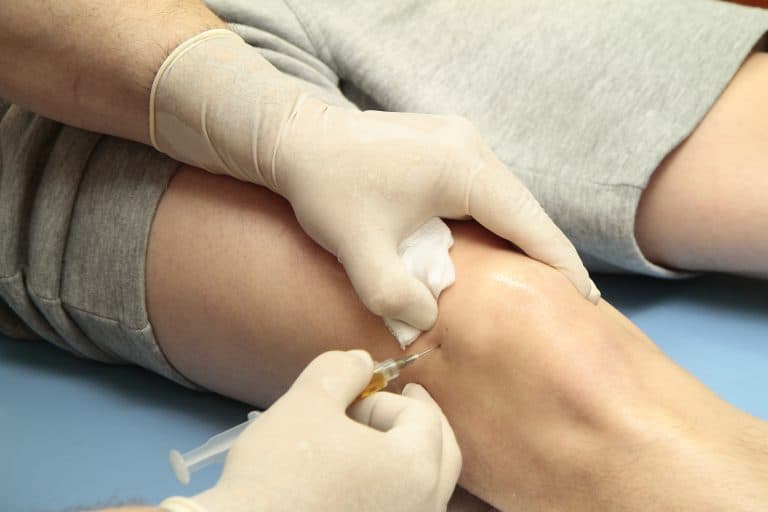
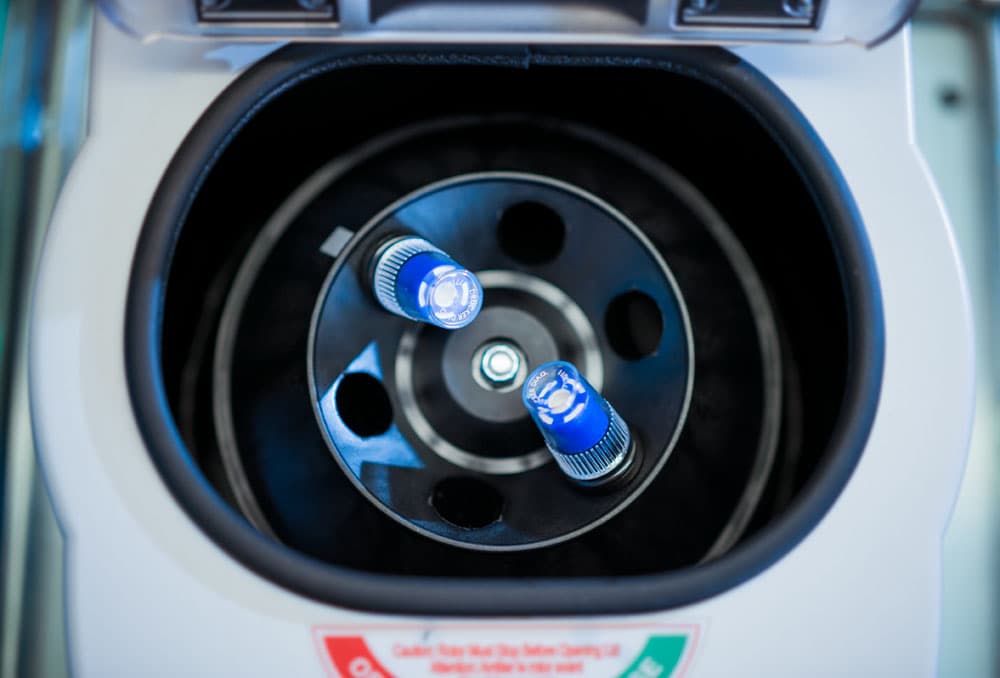
PRP injections involve the use of a patient's own blood components to promote healing of injured tendons, ligaments, muscles, and joints. The process involves drawing a small amount of the patient’s blood, centrifuging it to concentrate the platelets, and then injecting this platelet-rich plasma into the affected knee. The growth factors in the platelets stimulate natural healing processes, potentially repairing damaged tissue and reducing inflammation.

What are Cortisone Injections?
Cortisone injections are a type of steroid injection that can provide rapid relief from inflammation and pain in the knee joint. Cortisone is a powerful anti-inflammatory medication that, when injected directly into the affected area, can alleviate symptoms of arthritis and other knee conditions. These injections are known for their quick action and can be a part of a broader treatment plan.
Personalised Care
At London Cartilage Clinic, we pride ourselves on offering personalised care tailored to each patient's unique needs. Whether PRP or cortisone injections offer the best approach for your knee issues, our team is dedicated to providing you with the highest standard of care, ensuring you can return to your daily activities with improved comfort and mobility. If you're exploring your options for knee treatment, contact us to discuss how we can help you achieve your health and mobility goals. Book a Consulation
Frequently Asked Questions
- The effects of PRP can last up to a year or more, while cortisone typically provides relief for several months.
- Both treatments have minimal side effects; however, cortisone may lead to joint degradation with repeated use, while PRP's risks are primarily related to the injection process itself.
- Cortisone may provide relief within a few days, while PRP might take several weeks to show improvement as the body’s healing process unfolds.
- Neither treatment is a cure for knee pathologies, but both can significantly reduce symptoms and improve quality of life.
- A consultation with London Cartilage Clinic's specialist will help determine the best treatment option based on your specific condition, lifestyle, and treatment goals.
Legal & Medical Disclaimer
This article is written by an independent contributor and reflects their own views and experience, not necessarily those of London Cartilage Clinic. It is provided for general information and education only and does not constitute medical advice, diagnosis, or treatment.
Always seek personalised advice from a qualified healthcare professional before making decisions about your health. London Cartilage Clinic accepts no responsibility for errors, omissions, third-party content, or any loss, damage, or injury arising from reliance on this material.
If you believe this article contains inaccurate or infringing content, please contact us at [email protected].
London Cartilage Clinic
Modern treatments, designed for lasting knee outcomes
Every treatment plan is selected to help you return to the quality of life you deserve. Our team combines up-to-date techniques with consultant-led decision making across cartilage repair, regeneration and replacement.
What your journey can look like
Step 01
Consultant-Led Assessment
Symptoms, imaging and goals reviewed in one structured appointment.
Step 02
Personalised Treatment Plan
A clear route chosen from repair, regeneration or replacement options.
Step 03
Precision Delivery
Modern techniques and specialist equipment matched to your diagnosis.
Step 04
Long-Term Knee Health
Follow-up guidance focused on durable function and quality of life.
Will the Arthrosamid work for me
PAAG-8+ Questionnaire
A bright, structured entry point for patients exploring Arthrosamid. The questionnaire helps frame suitability, expectations, and 24-month clinical benefit discussion before a fuller consultant-led review.
Designed for shared decision-making. It does not replace specialist consultation, examination, imaging review, or formal medical advice.